
Roujiamo: China’s 2,200-year-old “burger”
Roujiamo (肉夹馍), often called the “Chinese hamburger“, is a beloved street food from China, particularly in Shaanxi province (capital city: Xi’an). It consists of slow-cooked, spiced meat (usually pork, beef, or lamb) stuffed inside a crispy, chewy flatbread called Baijimo (白吉馍). The meat preparation method, which involves stewing with over 20 spices and herbs, resembles ancient Chinese slow-cooking methods.

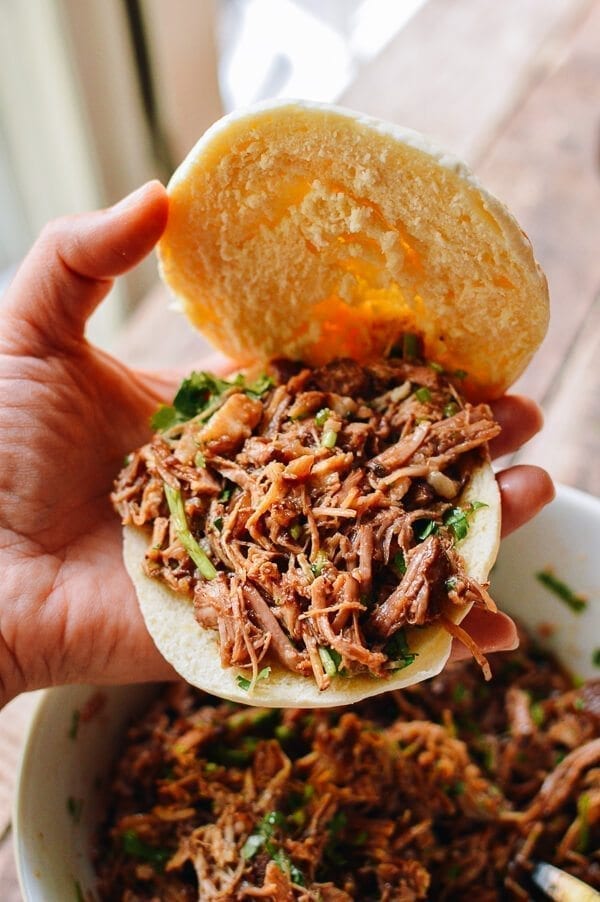
A Representation of Chinese Street Food
Roujiamo embodies the essence of Chinese street food – fast, flavorful, and deeply rooted in tradition. We prepare the meat by simmering it in a spiced broth for hours, ensuring tender and juicy flavors. The bread Baijimo is pan-fried until crispy on the outside and soft inside, giving it the perfect texture to absorb the meat’s rich juices.
A Symbol of Xi’an’s Culinary Heritage
Xi’an, the capital of Shaanxi province in China, is considered the birthplace of Roujiamo. The city, with its deep historical nature of being the start of the Silk Road, has long been a melting pot of flavors and influences. The dish reflects the region’s ancient cooking techniques, such as slow braising and bread baking.
A Mixture of History and Flavor
The origins of Roujiamo date back over 2,000 years to the Warring States period (475–221 BCE) or the Qin Dynasty (221–206 BCE). The bread, Baijimo, has roots in ancient Han dynasty (206 BCE–220 CE) baking techniques and is similar to traditional flatbreads. Check out the legends of Roujiamuo’s origin below.
Legend 1:
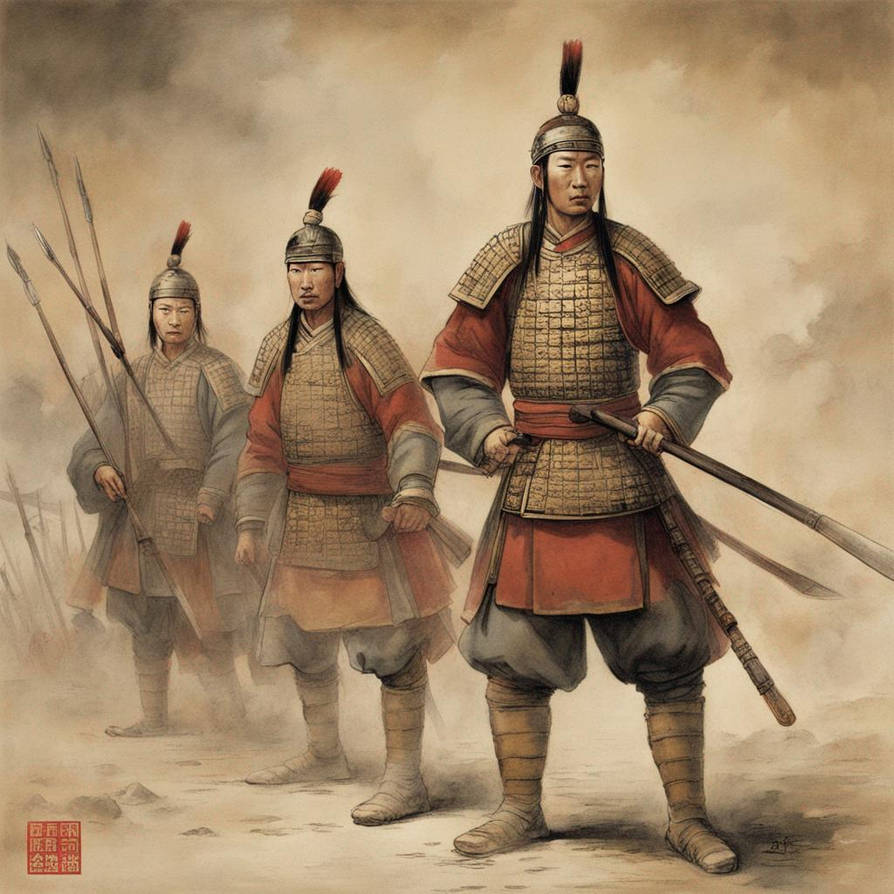
Roujiamuo & Ancient Soldiers
A common legend tells of a Qin Dynasty soldier who, after a long battle, found himself hungry but with limited ingredients. He stewed whatever meat he could find and stuffed it into a simple baked bread, creating an early version of Roujiamo.
Legend 2:
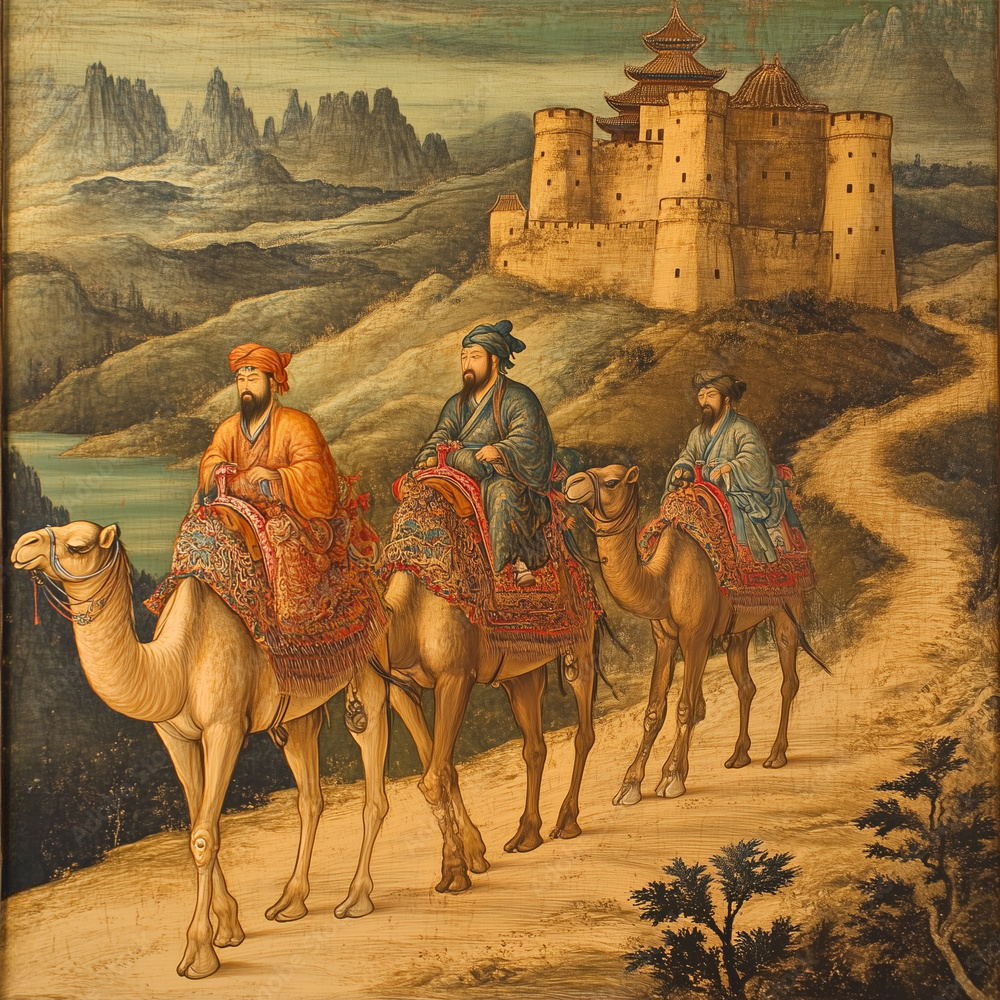
Roujiamuo & Ancient Merchants
Another story suggests that ancient merchants traveling along the Silk Road (starts from Xi’an, the capital of Shaanxi province, the birthplace of Roujiamuo) needed a portable, nourishing meal. They would prepare stewed meat in advance and carry flatbread, making Roujiamo a practical and flavorful travel food.
Nowadays
Roujiamo is more than just a delicious street food—it’s a dish that tells the story of ancient China, Silk Road trade, and local culinary traditions. Its enduring popularity showcases how a simple combination of bread and meat can carry centuries of culture and history, making it a timeless favorite.
It’s common to see people grabbing a Roujiamo on the go, making it a fast-food staple that predates Western hamburgers by centuries.